
Understanding the psychological effects of gambling on decision-making and behavior
The Nature of Gambling and Its Appeal
Gambling is a multifaceted activity that combines chance, strategy, and risk, attracting individuals from diverse backgrounds. The thrill of potentially winning money stimulates an emotional response, triggering excitement and anticipation. This rush can often overshadow logical decision-making processes, leading individuals to take risks they may otherwise avoid in everyday life. Many find it essential to explore nascar betting sites to enhance their gambling experience.

The appeal of gambling lies not only in the potential monetary rewards but also in the social dynamics involved. People often engage in gambling as a social activity, seeking camaraderie with friends or strangers. This social component can amplify the emotional highs and lows experienced during gambling, further influencing decision-making behaviors.
Psychological Mechanisms at Play
Several psychological mechanisms underpin gambling behavior, notably the concepts of reinforcement and loss aversion. The intermittent reinforcement schedule, where rewards are given at unpredictable intervals, makes gambling particularly addictive. This unpredictability keeps players engaged, constantly hoping for the next win, which reinforces continued play despite potential losses.
Loss aversion also plays a significant role; individuals often feel the pain of loss more acutely than the pleasure of gain. This can lead to a « chasing losses » mentality, where gamblers continue to wager in hopes of recovering their previous losses, which can further spiral into problematic behavior and poor decision-making. Effective strategies for winning often involve setting limits and understanding one’s emotional triggers.
The Impact on Decision-Making
The psychological effects of gambling significantly impact decision-making processes. High-stakes environments often lead individuals to rely on emotional responses rather than logical reasoning. This can result in impulsive decisions, such as placing larger bets than intended or continuing to gamble despite financial constraints.
Behavioral Changes and Consequences
Engaging in gambling can lead to significant behavioral changes, both in the short and long term. Individuals may become more secretive about their gambling habits, and in some cases, they might prioritize gambling over essential responsibilities and relationships. Such behavioral shifts can strain personal and professional relationships, leading to isolation or conflict.
Additionally, as gambling behaviors escalate, individuals may experience emotional distress, anxiety, and depression. The psychological burden of debt or loss can create a vicious cycle where gamblers continue to engage in the behavior to escape their emotional turmoil, further exacerbating their situation.
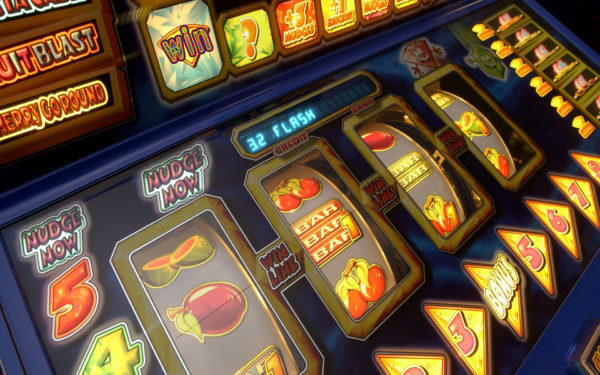
Enhancing Your Betting Experience with Informed Choices
Understanding the psychological effects of gambling can empower individuals to make more informed decisions when engaging in betting activities. By being aware of the emotional and cognitive biases that come into play, gamblers can approach their choices with a healthier mindset. This awareness can also encourage more responsible gambling practices, helping to mitigate the potential negative impacts.